
Nano-sensors are transforming how we collect and analyze data, offering unprecedented precision and speed in monitoring environments, health conditions, and industrial processes worldwide. 🌍

The Dawn of a New Monitoring Era
The convergence of nanotechnology and sensor technology has ushered in a revolutionary approach to data collection and monitoring. These microscopic devices, often measuring just nanometers in size, are reshaping industries from healthcare to environmental science, from manufacturing to agriculture. Their ability to detect minute changes in their surroundings and transmit data instantaneously has opened doors to applications that were once confined to science fiction.
Traditional monitoring systems, while effective in their time, often suffered from limitations including size constraints, delayed data transmission, and inability to detect subtle changes in measured parameters. Nano-sensors have effectively eliminated these barriers, providing real-time insights with remarkable accuracy and minimal invasiveness.
Understanding Nano-Sensor Technology 🔬
At their core, nano-sensors are detection devices constructed at the nanoscale, typically ranging from 1 to 100 nanometers in at least one dimension. These sophisticated instruments leverage quantum mechanical properties and high surface-to-volume ratios to achieve exceptional sensitivity. Their miniature size allows them to be deployed in previously inaccessible locations, from inside human cells to microscopic cracks in infrastructure.
The technology operates on various principles depending on the application. Some nano-sensors utilize optical properties, detecting changes in light absorption or fluorescence. Others employ electrochemical methods, measuring electrical signals generated by specific molecular interactions. Mechanical nano-sensors respond to physical changes such as pressure, temperature, or vibration at the molecular level.
Types of Nano-Sensors Driving Innovation
Different applications demand different nano-sensor architectures. Carbon nanotube-based sensors excel in detecting chemical compounds and gases with extraordinary precision. Quantum dot sensors leverage semiconductor nanocrystals to provide optical detection capabilities. Nanowire sensors offer exceptional electrical sensitivity, making them ideal for biological applications.
Plasmonic nano-sensors harness the interaction between light and metal nanoparticles to detect molecular binding events. Meanwhile, nanoelectromechanical systems (NEMS) integrate mechanical and electrical components at the nanoscale, enabling detection of mass changes as small as single molecules.
Healthcare Revolution Through Nano-Monitoring 💊
Perhaps nowhere is the impact of nano-sensors more profound than in healthcare. These devices are enabling a shift from reactive to proactive medicine, allowing continuous monitoring of biological markers that indicate disease states long before symptoms appear. Implantable nano-sensors can now track glucose levels, detect cardiac irregularities, and monitor drug concentrations in real-time.
Cancer detection has been particularly transformed by nano-sensor technology. Specialized sensors can identify tumor biomarkers in blood samples with sensitivity levels thousands of times greater than conventional methods. This early detection capability dramatically improves treatment outcomes and survival rates.
Personalized Medicine and Continuous Health Monitoring
The integration of nano-sensors into wearable devices and implantable monitors has made personalized medicine a reality. Patients with chronic conditions can now benefit from continuous monitoring systems that alert healthcare providers to concerning changes immediately. This real-time data stream enables precise medication dosing adjustments and early intervention when health parameters deviate from normal ranges.
Nano-sensors are also revolutionizing drug development. Researchers can now monitor drug interactions at the cellular level, observing how medications affect specific biomarkers in real-time. This accelerates the development process and improves drug safety profiles before reaching clinical trials.
Environmental Monitoring at Unprecedented Scale 🌱
Environmental scientists have embraced nano-sensor technology to address pressing ecological challenges. Networks of nano-sensors deployed across ecosystems provide comprehensive, real-time data on air quality, water contamination, soil health, and climate variables. These systems detect pollutants at parts-per-trillion concentrations, identifying environmental threats before they become widespread problems.
Water quality monitoring has been particularly enhanced by nano-sensor deployment. Sensors capable of detecting heavy metals, pesticides, pharmaceutical residues, and pathogenic microorganisms provide early warning systems for drinking water supplies. Cities worldwide are implementing nano-sensor networks to ensure water safety and respond immediately to contamination events.
Climate Change Research and Atmospheric Monitoring
Understanding climate change requires precise measurements of atmospheric conditions across vast geographical areas. Nano-sensors attached to drones, weather balloons, and satellite systems collect granular data on greenhouse gas concentrations, aerosol particles, and temperature variations. This comprehensive dataset improves climate models and helps scientists predict future climate scenarios with greater accuracy.
Agricultural applications of environmental nano-sensors are optimizing crop production while minimizing environmental impact. Soil-embedded sensors monitor moisture levels, nutrient concentrations, and pH values, enabling precision agriculture techniques that reduce water consumption and fertilizer use while maximizing yields.
Industrial Applications Transforming Manufacturing ⚙️
Manufacturing industries are leveraging nano-sensors to achieve unprecedented quality control and operational efficiency. These sensors embedded in production equipment provide continuous monitoring of temperature, pressure, vibration, and chemical composition during manufacturing processes. Real-time data allows immediate adjustments, reducing defects and minimizing waste.
Predictive maintenance programs powered by nano-sensor networks have revolutionized industrial operations. By detecting early signs of equipment degradation—such as microscopic material fatigue or slight changes in vibration patterns—companies can schedule maintenance before catastrophic failures occur, dramatically reducing downtime and repair costs.
Smart Materials and Structural Health Monitoring
The construction industry has adopted nano-sensors for structural health monitoring of buildings, bridges, and infrastructure. Embedded sensors detect microscopic cracks, stress accumulation, and material degradation in real-time. This capability extends infrastructure lifespan and prevents catastrophic failures by enabling timely repairs.
Smart materials incorporating nano-sensors are creating self-monitoring structures that communicate their condition continuously. These materials can detect when they’re approaching failure thresholds and automatically alert maintenance teams or even trigger self-healing mechanisms in advanced applications.
Energy Sector Optimization Through Nano-Technology ⚡
The energy industry has discovered tremendous value in nano-sensor deployment across generation, transmission, and consumption systems. Smart grid technology relies on nano-sensor networks to monitor electrical current, voltage, and equipment temperature at thousands of points simultaneously. This comprehensive monitoring enables dynamic load balancing, reduces transmission losses, and prevents blackouts.
Renewable energy systems particularly benefit from nano-sensor integration. Solar panel arrays equipped with nano-sensors optimize energy capture by detecting and responding to environmental conditions in real-time. Wind turbine systems use vibration and stress sensors to maximize energy generation while preventing mechanical failures.
Data Processing Challenges and Edge Computing Solutions 💻
The massive data volumes generated by nano-sensor networks present significant processing challenges. Traditional cloud-based systems struggle with the latency and bandwidth requirements of billions of sensors transmitting data continuously. Edge computing has emerged as the solution, processing data locally at or near the sensor source before transmitting only essential information to central systems.
Artificial intelligence and machine learning algorithms deployed at the edge enable nano-sensor networks to identify patterns, detect anomalies, and make autonomous decisions without human intervention. This distributed intelligence architecture ensures rapid response times while reducing network congestion and energy consumption.
Addressing Security and Privacy Concerns
The proliferation of nano-sensors raises important security and privacy considerations. Medical nano-sensors collecting health data require robust encryption and authentication protocols to prevent unauthorized access. Environmental and industrial sensors must be protected against tampering that could provide false data or disrupt operations.
Blockchain technology is being explored as a solution for securing nano-sensor data streams. Distributed ledger systems can verify data authenticity and maintain immutable records of sensor readings, ensuring data integrity throughout the monitoring chain.
The Economics of Nano-Sensor Implementation 💰
While nano-sensor technology initially carried significant costs, manufacturing advances have dramatically reduced prices. Mass production techniques and improved fabrication methods have made nano-sensors economically viable for widespread deployment. The return on investment typically manifests through improved efficiency, reduced waste, early problem detection, and enhanced decision-making capabilities.
Industries implementing nano-sensor monitoring systems report significant cost savings that offset initial investments within months. Healthcare systems reduce hospitalization costs through early disease detection. Manufacturing plants decrease defect rates and equipment downtime. Environmental monitoring agencies identify pollution sources faster, reducing remediation costs.
Future Horizons: What’s Next for Nano-Sensors? 🚀
The nano-sensor revolution continues accelerating with exciting developments on the horizon. Researchers are developing energy-harvesting nano-sensors that power themselves from environmental sources like ambient light, thermal gradients, or mechanical vibrations. These self-powered devices eliminate battery replacement requirements, enabling truly maintenance-free monitoring systems.
Biodegradable nano-sensors represent another frontier, particularly for medical and environmental applications. These sensors perform their monitoring functions then harmlessly decompose, eliminating removal procedures and environmental concerns. Agricultural applications could deploy millions of biodegradable sensors that dissolve naturally after crop harvest.
Integration with Internet of Things Ecosystems
The convergence of nano-sensors with Internet of Things (IoT) infrastructure is creating comprehensive monitoring ecosystems. Smart cities are deploying integrated sensor networks that monitor air quality, traffic flow, energy consumption, and infrastructure health simultaneously. This holistic approach enables coordinated responses to urban challenges and improves quality of life for residents.
Consumer applications are emerging as nano-sensor costs decline. Smart home systems incorporating nano-sensors can detect gas leaks, monitor air quality, and identify potential safety hazards with unprecedented sensitivity. Personal health monitoring devices are becoming more sophisticated, providing insights previously available only in clinical settings.
Overcoming Technical Barriers and Implementation Challenges ⚠️
Despite tremendous progress, nano-sensor technology faces ongoing challenges. Sensor calibration and long-term stability remain concerns, particularly in harsh environments. Researchers continue developing protective coatings and self-calibrating systems to extend sensor lifespan and maintain accuracy over time.
Standardization efforts are crucial for widespread adoption. Industry consortiums are developing common protocols for nano-sensor communication, data formats, and performance specifications. These standards enable interoperability between devices from different manufacturers and facilitate system integration.
Training the Workforce for Nano-Monitoring Systems
The sophisticated nature of nano-sensor technology requires specialized knowledge for implementation and maintenance. Educational institutions are developing training programs to prepare technicians, engineers, and data scientists for careers in nano-monitoring systems. This workforce development is essential for continued technology adoption across industries.
Transforming Decision-Making Through Real-Time Intelligence 📊
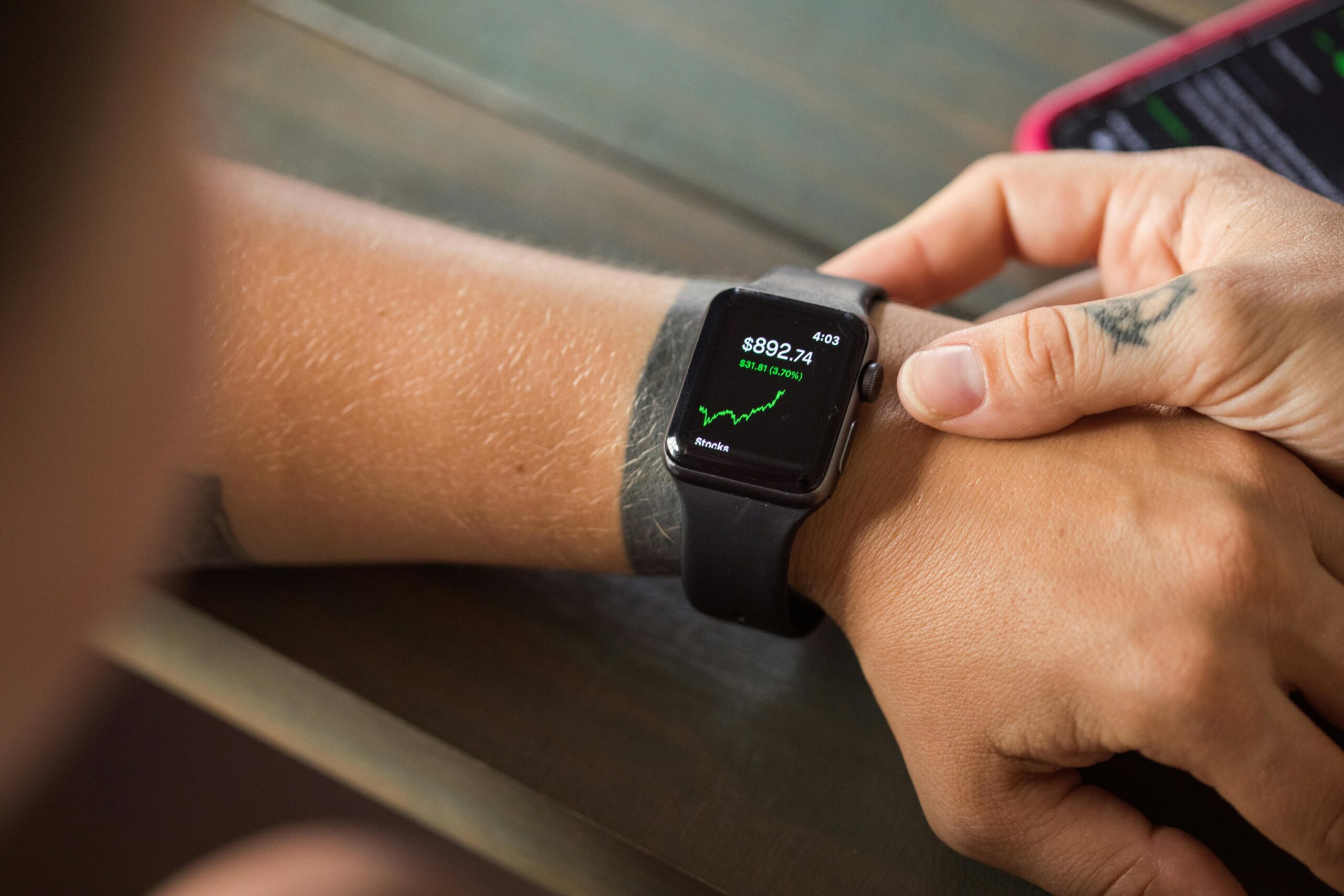
The ultimate value of nano-sensors lies in their ability to transform decision-making processes. Real-time data eliminates guesswork and enables evidence-based strategies across all domains. Healthcare providers make treatment decisions based on current patient status rather than periodic measurements. Environmental agencies respond to pollution events as they occur rather than discovering problems days later through laboratory analysis.
Business leaders leverage nano-sensor data to optimize operations dynamically, adjusting production schedules, supply chains, and resource allocation in response to real-time conditions. This agility provides competitive advantages in rapidly changing markets and enables organizations to respond effectively to unexpected challenges.
The power of nano-sensors extends beyond individual applications to create comprehensive monitoring ecosystems that provide unprecedented visibility into complex systems. As technology continues advancing and costs decrease, nano-sensor deployment will become ubiquitous, fundamentally changing how humanity interacts with and understands the physical world. The revolution in monitoring has only just begun, promising exciting developments that will continue reshaping industries, improving lives, and enabling sustainable practices for generations to come. 🌟