
Anúncios
Nano-surfaces represent a groundbreaking frontier in fighting microscopic threats, combining cutting-edge nanotechnology with antimicrobial properties to create self-cleaning, bacteria-resistant materials for our modern world.
🔬 The Invisible Revolution: Understanding Nano-Surface Technology
The world of nanotechnology operates at a scale almost incomprehensible to the human eye. When we talk about nano-surfaces, we’re discussing structures engineered at the nanometer level—one billionth of a meter. To put this in perspective, a single human hair is approximately 80,000 nanometers wide. At this microscopic scale, materials exhibit remarkable properties that differ dramatically from their bulk counterparts.
Anúncios
Nano-surfaces leverage these unique characteristics to combat two of humanity’s most persistent challenges: bacterial contamination and environmental pollutants. By manipulating surface structures at the nanoscale, scientists have developed coatings and materials that actively repel, destroy, or prevent the adhesion of harmful microorganisms and contaminants.
The principle behind antimicrobial nano-surfaces is elegantly simple yet profoundly effective. These engineered surfaces create hostile environments for bacteria through various mechanisms: physical disruption of bacterial cell walls, chemical interactions that prevent biofilm formation, or surface topographies that make bacterial attachment impossible.
Anúncios
Nature’s Blueprint: Biomimetic Approaches to Nano-Surface Design
Some of the most effective nano-surface technologies draw inspiration directly from nature. The lotus leaf, famous for its self-cleaning properties, has become a blueprint for engineering superhydrophobic surfaces. Its micro and nano-scale surface structure creates what scientists call the “lotus effect,” where water droplets roll off the surface, carrying dirt and contaminants with them.
Similarly, shark skin has inspired antimicrobial surface designs. The unique pattern of dermal denticles on shark skin prevents bacterial colonization without using any chemical agents. Researchers have replicated these patterns to create Sharklet technology, which reduces bacterial adhesion by up to 90% through physical surface geometry alone.
Dragonfly wings offer another fascinating example. Their nano-pillar structures physically rupture bacterial cell membranes upon contact, providing a purely mechanical antimicrobial action that bacteria cannot develop resistance against—a critical advantage in our ongoing battle with antibiotic-resistant superbugs.
⚡ Mechanisms of Action: How Nano-Surfaces Eliminate Threats
Understanding how nano-surfaces combat bacteria and contaminants requires examining several distinct mechanisms that work individually or in combination to create hostile environments for microbial life.
Contact-Killing Surfaces
Contact-killing nano-surfaces incorporate antimicrobial agents like silver nanoparticles, copper oxide, or titanium dioxide directly into the surface structure. When bacteria come into contact with these surfaces, metal ions are released that penetrate bacterial cell walls, disrupting vital cellular processes and ultimately causing cell death.
Silver nanoparticles are particularly effective, exhibiting broad-spectrum antimicrobial activity against bacteria, viruses, and fungi. Their small size allows them to penetrate biofilms and interact directly with microbial DNA, preventing replication and causing structural damage to cell membranes.
Repellent and Anti-Adhesion Properties
Some nano-surfaces prevent contamination by making it impossible for bacteria or contaminants to adhere in the first place. Superhydrophobic coatings create surfaces with extreme water contact angles, causing liquids to bead up and roll away before microorganisms can establish colonies.
Conversely, superhydrophilic surfaces attract water so effectively that they create a thin, protective water layer that prevents bacterial adhesion. This approach is particularly valuable in medical applications where biofilm formation poses serious risks.
Photocatalytic Degradation
Photocatalytic nano-surfaces, typically incorporating titanium dioxide or zinc oxide nanoparticles, harness light energy to generate reactive oxygen species. These powerful oxidants decompose organic contaminants and destroy bacterial cells through oxidative stress, essentially making the surface self-cleaning when exposed to UV or even visible light.
🏥 Healthcare Applications: Saving Lives Through Surface Innovation
The healthcare sector has emerged as perhaps the most critical application arena for antimicrobial nano-surface technology. Hospital-acquired infections (HAIs) affect millions of patients annually, contributing to significant morbidity, mortality, and healthcare costs worldwide.
Medical device surfaces represent a primary intervention point. Catheters, implants, surgical instruments, and monitoring equipment coated with antimicrobial nano-surfaces demonstrate dramatically reduced infection rates. Studies show that silver nanoparticle-coated catheters reduce urinary tract infections by over 45%, while nano-structured titanium implants exhibit superior osseointegration with virtually eliminated bacterial colonization.
High-touch surfaces in hospital environments—door handles, bed rails, light switches, and medical carts—are being systematically replaced or retrofitted with antimicrobial nano-coatings. Copper nanoparticle surfaces have shown particular promise, with some studies demonstrating 99.9% reduction in viable bacteria within two hours of contamination.
Wound dressings incorporating nano-silver or nano-zinc oxide provide continuous antimicrobial protection while promoting healing. These advanced dressings actively combat infection at the wound site, reducing healing time and improving patient outcomes, particularly for chronic wounds and burns.
🍽️ Food Safety and Processing: Protecting Our Supply Chain
Food contamination represents a global public health challenge, with millions of foodborne illness cases reported annually. Nano-surface technology offers innovative solutions throughout the food production and distribution chain.
Food processing equipment coated with antimicrobial nano-surfaces reduces cross-contamination risks between batches and products. Stainless steel surfaces enhanced with silver or copper nanoparticles maintain their antimicrobial properties even under harsh cleaning regimens and temperature variations typical in food processing environments.
Packaging materials incorporating nano-structured antimicrobial agents extend shelf life by preventing microbial growth on food surfaces. These active packaging systems can reduce food waste while maintaining safety and quality without requiring additional preservatives.
Agricultural applications include nano-coated storage facilities, transport containers, and processing equipment that help maintain food quality from farm to table. The economic implications are substantial, as reducing food spoilage even marginally could feed millions while reducing waste-related environmental impacts.
💧 Water Purification: Clean Water Through Nano-Engineering
Access to clean water remains one of humanity’s most pressing challenges. Nano-surface technology provides innovative approaches to water purification, making treatment more efficient, affordable, and accessible.
Nano-structured membranes for filtration combine mechanical separation with antimicrobial properties. These membranes feature precisely controlled pore sizes at the nanoscale that physically block contaminants while surface-incorporated nanoparticles actively destroy microorganisms attempting to pass through or form biofilms.
Photocatalytic nano-surfaces in water treatment systems harness solar energy to decompose organic pollutants and neutralize pathogens. Titanium dioxide nanoparticle-coated surfaces generate reactive oxygen species under UV light, breaking down pesticides, pharmaceuticals, and other persistent contaminants while simultaneously disinfecting water.
Point-of-use water purification devices incorporating antimicrobial nano-surfaces offer practical solutions for remote or resource-limited communities. These systems require minimal maintenance and energy input while providing reliable protection against waterborne diseases.
🏢 Built Environment: Creating Healthier Indoor Spaces
The spaces where we live and work significantly impact our health and wellbeing. Antimicrobial nano-surfaces are transforming building materials and indoor environments to promote healthier living conditions.
Self-cleaning windows incorporating photocatalytic nano-coatings break down organic dirt and pollutants when exposed to sunlight, reducing maintenance requirements while improving indoor air quality by eliminating contaminants before they enter buildings.
Interior surfaces including walls, floors, and countertops treated with antimicrobial nano-coatings actively suppress bacterial and fungal growth, particularly valuable in high-traffic public spaces, schools, and commercial facilities. These surfaces maintain their antimicrobial efficacy for years, providing long-term protection with minimal maintenance.
HVAC systems incorporating nano-structured filters and coatings remove airborne pathogens and contaminants more effectively than conventional systems. Some advanced coatings can neutralize viruses, including influenza and coronaviruses, reducing disease transmission in enclosed spaces.
🔧 Manufacturing and Implementation Challenges
Despite their tremendous potential, widespread adoption of nano-surface technologies faces several significant challenges that researchers and manufacturers continue to address.
Scalability remains a primary concern. Many nano-surface fabrication techniques that work brilliantly in laboratory settings prove difficult or economically unfeasible to scale for mass production. Developing manufacturing processes that maintain nano-structure precision while achieving commercial viability requires ongoing innovation.
Durability and longevity present another challenge. Nano-structures can degrade under mechanical wear, chemical exposure, or environmental conditions. Ensuring that antimicrobial properties persist throughout a product’s intended lifespan requires careful material selection and protective strategies.
Regulatory frameworks for nano-materials continue to evolve. Different jurisdictions maintain varying standards for testing and approval of nano-enhanced products, particularly for applications involving food contact or medical devices. Navigating these regulatory landscapes adds complexity and cost to product development.
Cost considerations cannot be ignored. While prices for nano-materials have decreased significantly, antimicrobial nano-surfaces often remain more expensive than conventional alternatives. Demonstrating clear return on investment through reduced infection rates, extended product life, or decreased maintenance requirements is essential for market adoption.
🌍 Environmental Considerations and Safety
As with any emerging technology, the environmental impact and safety profile of nano-surface materials warrant careful consideration and ongoing research.
Nanoparticle release into the environment represents a legitimate concern. When nano-enhanced products reach end-of-life, improper disposal could introduce nanoparticles into ecosystems with unknown consequences. Research into nanoparticle behavior in environmental systems continues, alongside development of responsible disposal and recycling protocols.
Ecotoxicity studies examine how antimicrobial nanoparticles affect non-target organisms. While materials like silver nanoparticles effectively kill pathogens, their impact on beneficial bacteria in soil and aquatic environments requires assessment to prevent unintended ecological disruption.
Human exposure pathways and health effects remain active research areas. Inhalation of airborne nanoparticles during manufacturing or application processes poses potential occupational health risks. Proper engineering controls, personal protective equipment, and workplace monitoring help minimize exposure risks.
The principle of green nanotechnology guides development of environmentally sustainable nano-surfaces. This approach prioritizes biodegradable or easily recoverable materials, energy-efficient manufacturing processes, and designs that minimize environmental footprint throughout the product lifecycle.
🚀 Future Horizons: Next-Generation Nano-Surface Technologies
The field of antimicrobial nano-surfaces continues to evolve rapidly, with emerging technologies promising even more sophisticated solutions to contamination challenges.
Smart surfaces that respond dynamically to environmental conditions represent an exciting frontier. These adaptive materials can activate antimicrobial functions only when needed, conserving resources while preventing resistance development. Surfaces might detect bacterial presence through specific molecular signatures and respond with targeted antimicrobial action.
Multi-functional nano-surfaces combine antimicrobial properties with additional capabilities like self-healing, sensing, or energy generation. Imagine windows that clean themselves, generate electricity, and eliminate airborne pathogens simultaneously—such integrated technologies are moving from concept to reality.
Artificial intelligence and machine learning are accelerating nano-surface development by predicting optimal surface structures and material combinations. Computational models can screen thousands of potential designs virtually, identifying promising candidates for experimental validation and dramatically shortening development cycles.
Personalized antimicrobial surfaces tailored to specific applications or even individual patients may become feasible as manufacturing techniques advance. Custom-engineered surfaces optimized for particular bacterial strains or environmental conditions could maximize efficacy while minimizing unintended effects.
💡 Transforming Our Relationship with Microbial Threats
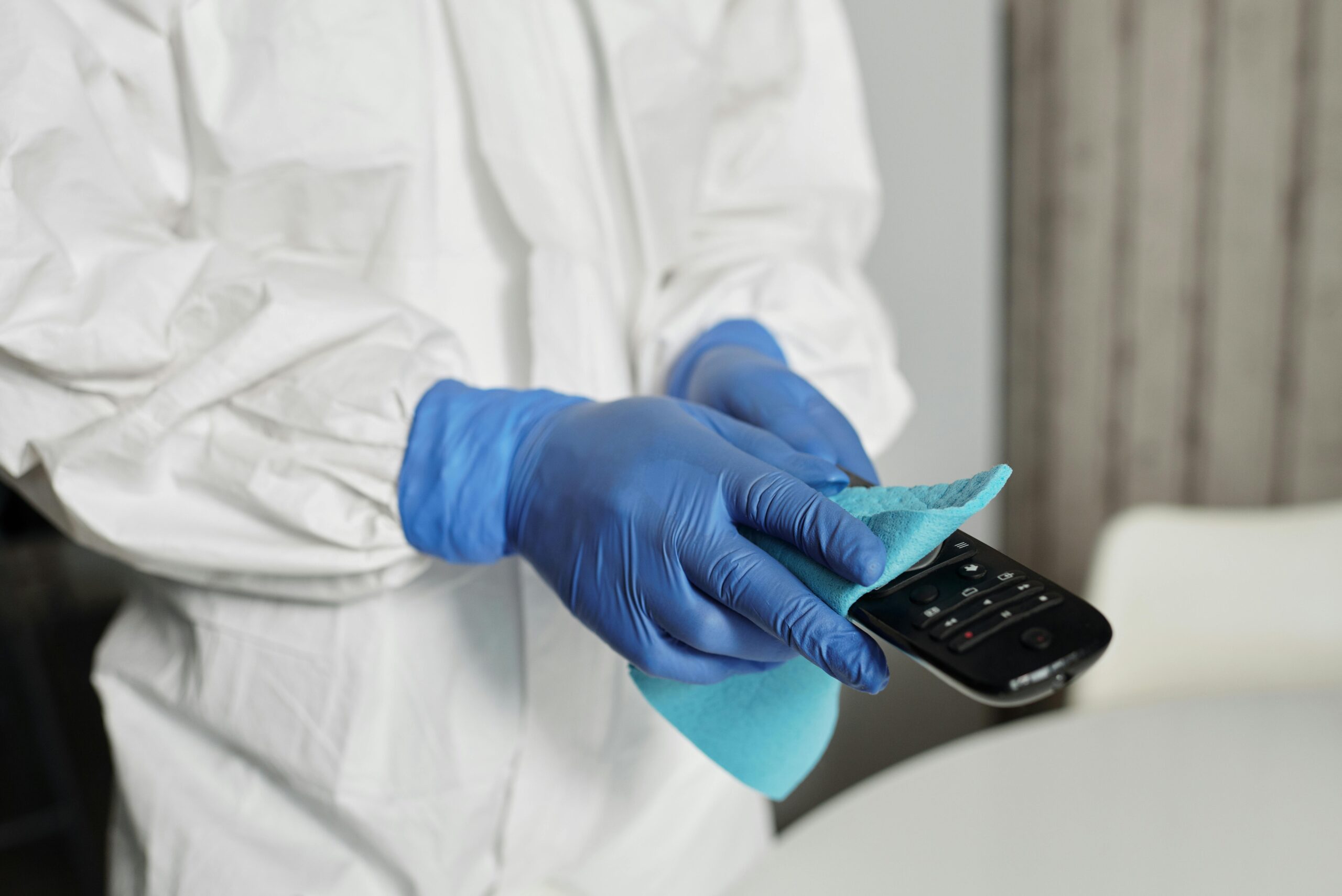
Nano-surface technology represents more than incremental improvement in materials science—it fundamentally transforms how we approach contamination and infection control. Rather than relying solely on reactive measures like disinfectants or antibiotics, antimicrobial surfaces provide continuous, passive protection that operates 24/7 without human intervention.
This proactive approach holds particular significance as antimicrobial resistance threatens to undermine conventional treatment options. Physical antimicrobial mechanisms, like the nano-pillar structures that mechanically rupture bacteria, offer solutions against which microorganisms cannot easily develop resistance.
The convergence of nanotechnology, materials science, biology, and engineering has created opportunities for innovation that seemed impossible just decades ago. As our understanding deepens and manufacturing capabilities advance, antimicrobial nano-surfaces will become increasingly prevalent, integrated seamlessly into everyday objects and environments.
From hospital rooms to kitchen counters, from water treatment facilities to spacecraft, nano-surfaces are establishing a new paradigm for cleanliness and safety. These invisible guardians work tirelessly at the molecular level, protecting human health and environmental quality through elegant applications of fundamental physics and chemistry.
The journey from laboratory curiosity to widespread implementation continues, driven by urgent global needs for better infection control, safer food and water, and healthier built environments. As challenges are addressed and technologies mature, antimicrobial nano-surfaces will become standard rather than exceptional, quietly revolutionizing how we interact with the microbial world around us.
Investment in research, thoughtful regulation, responsible manufacturing, and public education will determine how quickly and effectively these technologies reach their full potential. The promise is clear: a cleaner, safer world where surfaces actively contribute to health rather than passively harboring threats. Through continued innovation and careful implementation, nano-surface technology will play an increasingly vital role in protecting human health and environmental quality for generations to come.