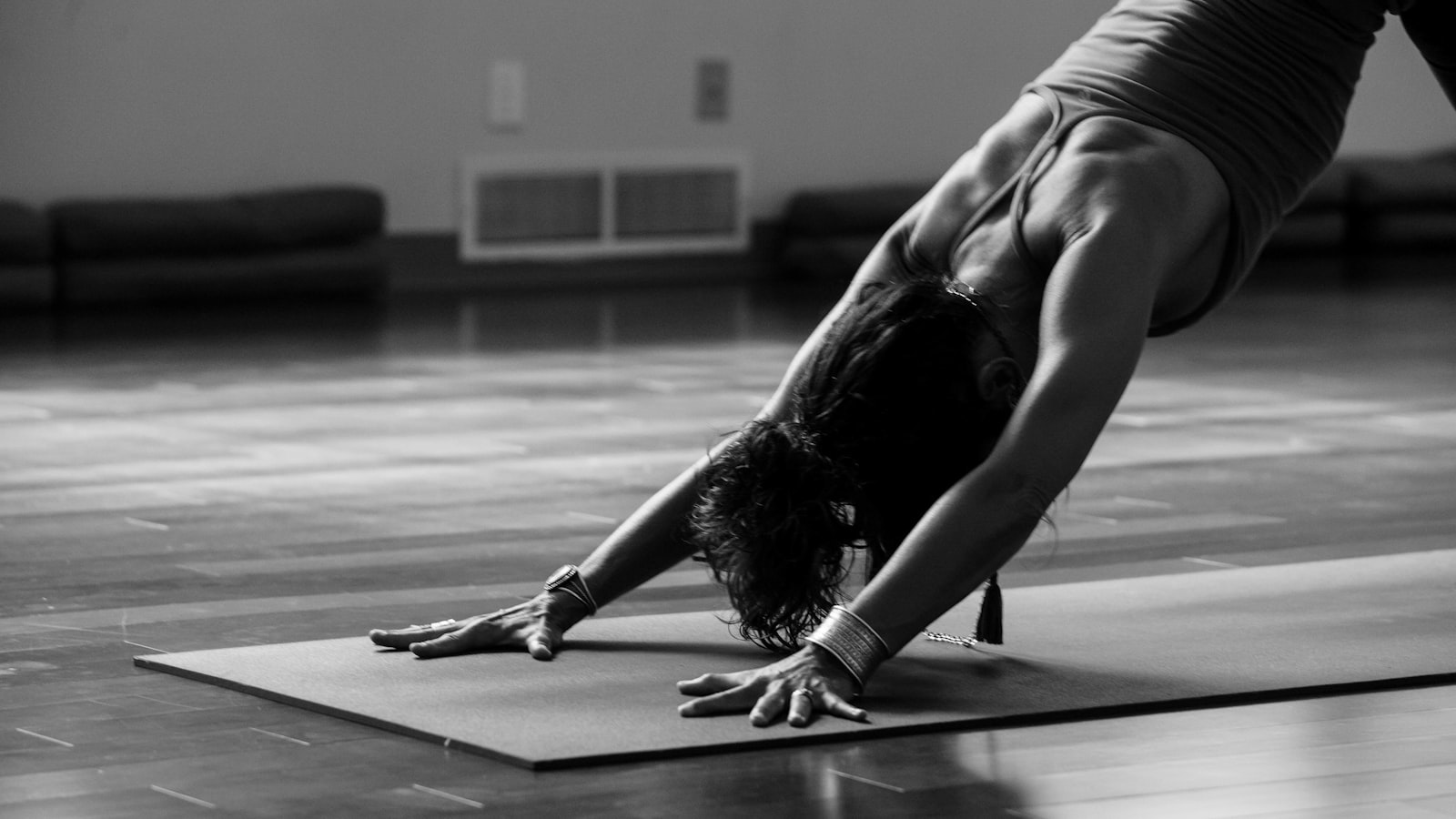
If sitting still makes you want to climb the walls, you are not broken and you are not bad at meditation. A restless body is incredibly common, and it doesn't mean a quieter mind is out of reach. It just means the usual advice to "sit still and breathe" might not be where you should start.
Why Stillness Feels So Hard#
For many people, sitting quietly turns up the volume on everything they usually outrun. The moment outside motion stops, inner motion gets louder: itches, fidgets, a buzzing urge to get up and do something. That's not a flaw in you, it's just what a busy nervous system does when it suddenly has nowhere to go.
Sometimes restlessness is physical, from too much caffeine, a day spent sitting, or simply having energy to burn. Sometimes it's mental, a mind so used to constant input that silence feels strange. Often it's both at once, and naming which one you're feeling can take some of the pressure off.
The important thing to understand is that restlessness is not a barrier to meditation. It's simply one of the things you can practice being with. You don't have to conquer it before you begin.
Let Movement Be Your Anchor#
If sitting feels impossible, don't sit. Some of the most grounding meditation happens while you move, and walking is the easiest place to start. Choose a quiet stretch of pavement, hallway, or garden, and walk a little slower than usual.
As you walk, bring your attention to the soles of your feet. Feel the lift of one foot, the swing forward, the soft press as it meets the ground. When your mind wanders, and it will, return to the feeling of your feet. That's the whole practice, just with movement as your anchor instead of breath.
Walking isn't the only option. You can bring the same gentle attention to washing dishes, stretching, slow stairs, or even tidying a room. The activity matters far less than the attention you bring to it.
Meditation was never really about holding still. It's about paying attention. If your attention rests on moving feet instead of a still breath, you are fully and genuinely meditating.
This reframe matters because it removes the false barrier of stillness. The instant you realize movement counts, a whole world of practice opens up that fits the body you actually have today.
Shorten the Sit, Don't Skip It#
If you do want to try seated practice, make it shorter than feels impressive. Two minutes is plenty when you're restless, because a short sit you finish builds far more confidence than a long one you abandon halfway through.
You can also break your practice into small pieces across the day. A minute of breathing before lunch, another before a meeting, one more before bed. These tiny sits add up, and they're far easier to fit into a restless life than a single long block.
Here are a few small adjustments that tend to help restless bodies settle:
- Keep your eyes softly open, gazing down, so you feel less trapped
- Let your hands have a gentle job, resting on your knees or feeling your pulse
- Try sitting after exercise, when your body has already burned off some energy
- Allow small movements, like swaying or shifting, instead of forcing rigid stillness
None of these are cheating. They're simply ways of meeting yourself where you are, which is always the most reliable place to begin.
Make Friends With the Fidget#
Here's a shift that changes everything for restless meditators. Instead of treating fidgeting as a problem to eliminate, treat it as something to notice. When the urge to move arises, pause for a single breath and observe it with curiosity before you act.
What does the restlessness actually feel like in your body? Maybe it's a tightness in your legs, a buzz in your chest, or a vague pull to be elsewhere. You don't have to make it go away. You're just turning toward it with the same gentle attention you'd give the breath.
Often, simply watching an urge takes some of the charge out of it. The fidget might soften on its own, or it might not, and either outcome is fine. The practice is the noticing, not the result.
This approach quietly builds something useful: the ability to feel an impulse without instantly obeying it. That small pause between feeling and reacting is one of the most practical gifts meditation offers, and restlessness gives you endless chances to practice it.
A Gentler Way Forward#
Restlessness can also point to something worth listening to. If you regularly feel so agitated that you can't settle at all, or if anxiety follows you well beyond your practice, that's worth taking seriously. Meditation supports general wellbeing, but it isn't a treatment for anxiety, depression, or ongoing distress. A doctor or qualified therapist can help, and a gentle practice can sit alongside that care rather than replace it.
For most people, though, restlessness is simply part of the journey, not a roadblock on it. Be patient with your wandering attention and your fidgeting body, because both will settle in their own time as the habit grows. There's no rush and nothing to force.
So if you can't sit still, walk. If you can't walk slowly, just notice your feet on the floor for a moment. Start with the body you have today, let movement and stillness both count, and trust that a quieter mind is available to restless people too, one small, honest moment at a time.