Anúncios
Knee pain affects millions of people worldwide, impacting daily activities and overall quality of life. Understanding the underlying causes and effective management strategies can make a significant difference.
The knee joint is one of the most complex and heavily used joints in the human body. It bears our weight during walking, running, climbing stairs, and countless other movements. When pain strikes, it can feel overwhelming and limiting.
Anúncios
Whether you’re experiencing sharp pain during specific movements or a dull ache that persists throughout the day, recognizing the warning signs and knowing when to seek help is crucial. This comprehensive guide will walk you through the most common causes of knee discomfort, practical care strategies, and evidence-based approaches to recovery.
🦵 Common Causes Behind Knee Pain
Knee pain doesn’t have a single cause. The discomfort you feel can stem from various sources, ranging from acute injuries to chronic conditions that develop over time.
Anúncios
Osteoarthritis: The Wear-and-Tear Condition


Osteoarthritis represents the most prevalent form of knee arthritis, particularly among adults over 50. The protective cartilage cushioning your knee joint gradually wears down, causing bones to rub against each other.
People with osteoarthritis typically experience:
- Morning stiffness lasting 30 minutes or less
- Pain that worsens with activity and improves with rest
- Swelling after prolonged use
- Grinding or clicking sensations during movement
- Reduced range of motion over time
Ligament Injuries and Tears
The knee relies on four main ligaments to maintain stability: the ACL (anterior cruciate ligament), PCL (posterior cruciate ligament), MCL (medial collateral ligament), and LCL (lateral collateral ligament).
ACL tears frequently occur during sports involving sudden stops or direction changes—basketball, soccer, and skiing are common culprits. You might hear a “pop” at the moment of injury, followed by rapid swelling and instability.
MCL injuries often result from direct blows to the outer knee, while PCL damage typically comes from dashboard injuries during car accidents or falls onto a bent knee.
Meniscus Tears: When the Shock Absorber Fails
Each knee contains two menisci—C-shaped pieces of cartilage that act as shock absorbers between your thighbone and shinbone. Twisting movements, especially while bearing weight, can tear this cartilage.
Meniscus tears become increasingly common with age as the cartilage weakens and degenerates. A seemingly minor twist during gardening or getting out of a car can cause a tear in older adults.
Tendinitis and Overuse Conditions
Patellar tendinitis, often called “jumper’s knee,” affects the tendon connecting your kneecap to your shinbone. Runners, cyclists, and athletes in jumping sports face higher risk.
The pain typically localizes just below the kneecap and intensifies during activities like climbing stairs, squatting, or jumping. Rest usually brings temporary relief, but symptoms return when activity resumes.
Bursitis: When Small Sacs Become Inflamed
Bursae are tiny fluid-filled sacs that reduce friction between moving parts in your knee. When these become inflamed—often from repetitive kneeling or a direct blow—bursitis develops.
The affected area becomes warm, tender, and swollen. People who spend time kneeling for work (carpet layers, gardeners, plumbers) experience higher rates of knee bursitis.
🏥 When Professional Evaluation Becomes Necessary
Many minor knee aches resolve with rest and home care, but certain symptoms demand immediate medical attention. Recognizing these red flags can prevent further damage and speed recovery.
Urgent Warning Signs
Seek medical care within 24 hours if you experience:
- Inability to bear weight on the affected leg
- Severe swelling that appears rapidly (within hours)
- Obvious deformity or misalignment of the knee joint
- Fever accompanying knee pain and swelling (possible infection)
- Severe pain that doesn’t respond to over-the-counter medication
- Numbness, tingling, or color changes in the lower leg or foot
Schedule an Appointment If…
Contact your healthcare provider within a few days when:
- Pain persists beyond three days despite rest and ice
- You notice gradual worsening of symptoms
- The knee gives out or feels unstable during normal activities
- You can’t fully straighten or bend the knee
- Previous knee injuries cause recurring problems
- Pain interferes with sleep or daily activities
🧊 Immediate Care Strategies for Acute Pain

The RICE protocol—Rest, Ice, Compression, Elevation—remains the gold standard for initial knee injury management. When applied correctly within the first 48-72 hours, this approach significantly reduces inflammation and promotes healing.
Rest: Strategic, Not Complete
Rest doesn’t mean complete inactivity. Avoid activities that caused the pain or make it worse, but maintain gentle movement to prevent stiffness. Prolonged immobilization can actually delay recovery and weaken surrounding muscles.
Use crutches if bearing weight causes significant pain. Partial weight-bearing, as tolerated, often proves more beneficial than complete non-weight-bearing status.
Ice Application: Timing and Technique
Apply ice packs for 15-20 minutes every 2-3 hours during the first 48 hours. Never place ice directly on skin—wrap ice packs in a thin towel to prevent frostbite.
Commercial ice packs, frozen vegetable bags, or even ice cubes in a plastic bag all work effectively. Cold therapy constricts blood vessels, reducing swelling and numbing pain signals.
Compression and Elevation
Wrap the knee with an elastic bandage, starting below the injury and working upward. The compression should feel snug but not tight enough to cut off circulation. Remove the bandage if you notice increased pain, numbness, tingling, or discoloration.
Elevation works best when the knee rests above heart level. Lie down and prop your leg on pillows. Gravity helps fluid drain away from the injured area, reducing swelling.
💪 Gentle Exercises for Knee Recovery and Strength
Once acute pain subsides, introducing controlled movement helps restore function and prevent future injuries. These exercises focus on flexibility, strength, and stability without aggravating the knee.
Quadriceps Sets: Foundation Exercise
Lie on your back with the affected leg straight. Tighten the thigh muscle, pushing the back of your knee down toward the floor. Hold for 5 seconds, then relax. Repeat 10-15 times, three times daily.
This simple exercise maintains quadriceps strength even when movement causes discomfort. Strong quadriceps muscles protect the knee joint and improve overall stability.
Straight Leg Raises
Starting position: lie on your back with the unaffected knee bent and foot flat on the floor. Keep the affected leg straight, tighten the thigh muscle, then slowly lift the leg to the height of the opposite bent knee.
Lower slowly and repeat 10 times. Work up to three sets daily. This exercise strengthens the quadriceps without bending the knee, making it ideal during early recovery.
Hamstring Curls
Stand holding a chair or counter for balance. Slowly bend the affected knee, bringing your heel toward your buttocks. Hold for 2-3 seconds, then lower slowly. Complete 10-15 repetitions.
Balanced leg strength requires attention to both quadriceps and hamstrings. This exercise addresses the back of the thigh, contributing to overall knee stability.
Wall Slides for Safe Squatting
Stand with your back against a wall, feet shoulder-width apart and about 12 inches from the wall. Slide down slowly until knees bend to about 30 degrees (or as comfortable). Hold for 5-10 seconds, then slide back up.
Avoid deep squats during recovery—they place excessive stress on healing tissues. Wall slides build strength through a safe, controlled range of motion.
Calf Raises for Lower Leg Support
Hold onto a counter or sturdy chair. Rise up onto your toes, lifting your heels off the ground. Hold briefly, then lower slowly. Perform 10-15 repetitions.
Strong calf muscles contribute to overall leg stability and help absorb shock during walking and standing activities.
| Exercise | Repetitions | Frequency | Primary Benefit |
|---|---|---|---|
| Quadriceps Sets | 10-15 | 3x daily | Muscle activation without joint stress |
| Straight Leg Raises | 10 (3 sets) | Daily | Quadriceps strengthening |
| Hamstring Curls | 10-15 | Daily | Posterior thigh strength |
| Wall Slides | 5-10 | Daily | Functional strength, controlled ROM |
| Calf Raises | 10-15 | Daily | Lower leg stability |
🩺 The Role of Physical Therapy in Knee Recovery
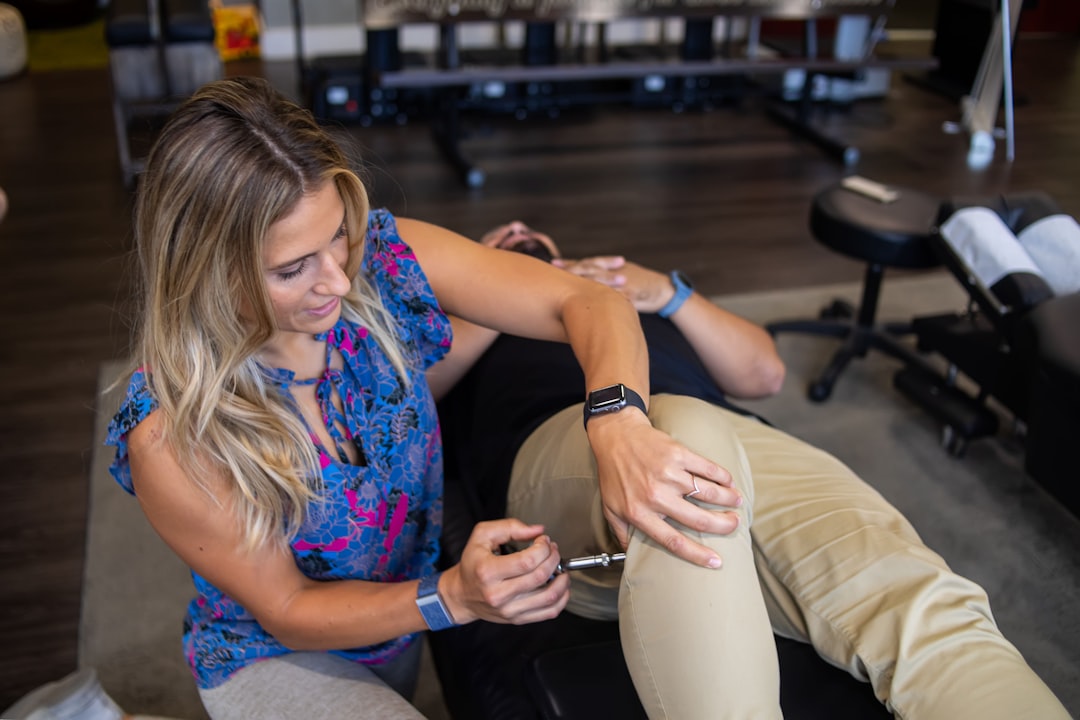
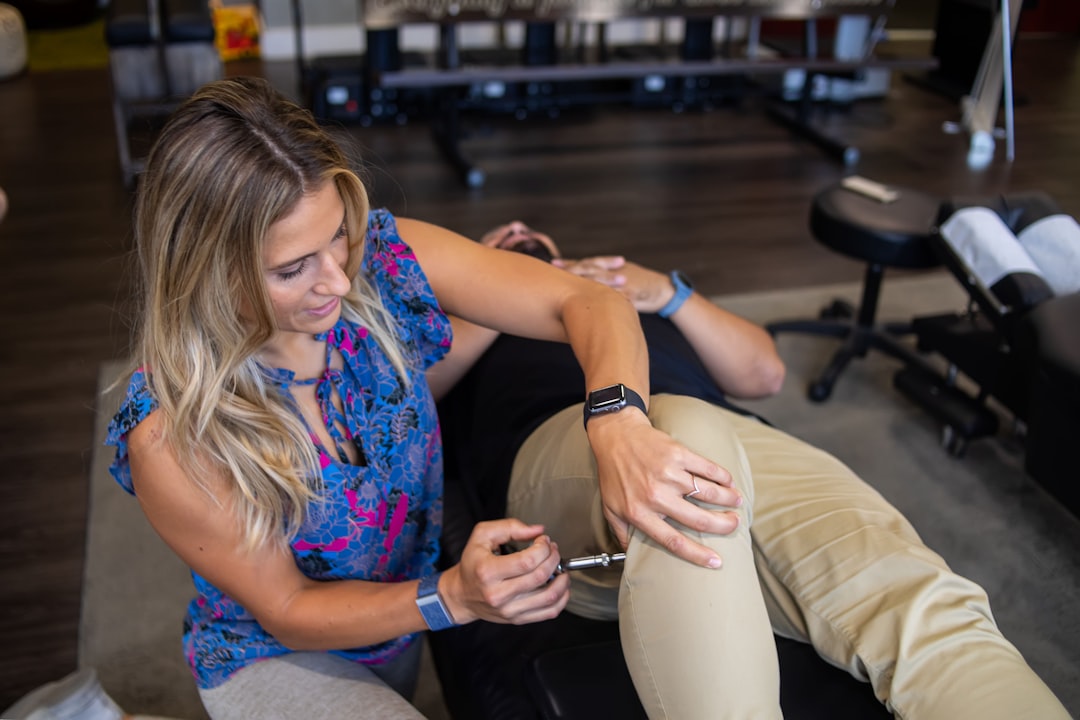
Physical therapists specialize in movement dysfunction and pain management. Their expertise goes far beyond simple exercise prescription—they analyze movement patterns, identify compensations, and design individualized treatment plans.
What to Expect During Physical Therapy
Your first session includes a comprehensive evaluation. The therapist assesses strength, flexibility, balance, gait pattern, and functional limitations. They measure range of motion, test specific ligaments and tendons, and identify areas of swelling or tenderness.
Based on this assessment, they create a customized treatment plan addressing your specific deficits and goals. Treatment might include manual therapy, therapeutic exercises, modalities like ultrasound or electrical stimulation, and education about activity modification.
Manual Therapy Techniques
Manual therapy involves hands-on techniques to improve joint mobility and reduce pain. Therapists use joint mobilizations—gentle, controlled movements that restore normal joint mechanics and decrease stiffness.
Soft tissue mobilization addresses muscle tightness and trigger points. These techniques increase blood flow, reduce muscle guarding, and improve tissue flexibility.
Progressive Loading and Functional Training
As healing progresses, physical therapists introduce progressive resistance exercises. They might use resistance bands, weights, or specialized equipment to gradually increase muscle strength.
Functional training mimics real-life activities—squatting to pick up objects, stepping up curbs, walking on uneven surfaces. This approach ensures you’re not just stronger in the clinic but better able to handle daily demands.
Balance and Proprioception Work
Proprioception—your body’s awareness of position in space—often becomes impaired after knee injuries. Physical therapists incorporate balance exercises on unstable surfaces, single-leg stance activities, and perturbation training.
Improved proprioception reduces re-injury risk by enhancing your knee’s ability to respond quickly to unexpected movements or unstable surfaces.
🌟 Lifestyle Habits That Support Knee Health
Long-term knee wellness requires more than occasional exercise. Daily habits either support or undermine joint health. Small, consistent changes accumulate into significant protective effects.
Weight Management: The Numbers Matter
Every pound of excess body weight places approximately four pounds of pressure on your knees during walking. Climbing stairs multiplies this force even further. Losing just 10 pounds can reduce knee stress by 40 pounds with each step.
Weight management doesn’t require extreme diets. Modest, sustainable changes—reducing portion sizes, choosing whole foods over processed options, increasing vegetable intake—produce meaningful results over time.
Footwear Choices Impact Knee Alignment
Shoes directly influence how forces travel up the leg to the knee. Worn-out shoes, high heels, and unsupportive footwear alter normal biomechanics and increase joint stress.
Replace athletic shoes every 300-500 miles of use. Choose shoes with adequate arch support, cushioning, and a heel counter that prevents excessive foot motion. For work situations requiring dress shoes, consider orthotic inserts for additional support.
Movement Variety Prevents Overuse
Repetitive activities—even beneficial ones like running—stress the same tissues repeatedly. Cross-training distributes demands across different muscle groups and movement patterns.
Swimmers might add cycling. Runners benefit from swimming or elliptical work. Weightlifters should incorporate flexibility training. This variety builds comprehensive fitness while reducing overuse injury risk.
Proper Warm-Up and Cool-Down Routines
Cold muscles and stiff joints are more susceptible to injury. Spend 5-10 minutes warming up before exercise with light activity that gradually increases heart rate and blood flow.
Dynamic stretching—leg swings, walking lunges, gentle squats—prepares tissues for activity better than static stretching. Save static stretches for after exercise when muscles are warm.
Hydration and Anti-Inflammatory Nutrition
Joint cartilage contains significant water content. Dehydration reduces shock-absorption capacity and may accelerate wear. Aim for adequate daily fluid intake—urine should be pale yellow.
Certain foods possess natural anti-inflammatory properties: fatty fish rich in omega-3s, colorful fruits and vegetables high in antioxidants, nuts, olive oil, and green tea. These dietary choices support overall joint health.
🔍 Understanding Different Treatment Approaches
Modern medicine offers numerous treatment options for knee pain. Understanding these approaches helps you make informed decisions about your care.
Conservative Treatments
Most knee problems respond well to conservative management. Over-the-counter pain relievers like acetaminophen reduce discomfort, while NSAIDs (ibuprofen, naproxen) address both pain and inflammation.
Topical treatments—creams, gels, or patches containing NSAIDs or capsaicin—deliver medication directly to the affected area with fewer systemic side effects than oral medications.
Injection Therapies
Corticosteroid injections provide powerful anti-inflammatory effects, often bringing relief when other treatments fail. Benefits typically last weeks to months, though repeated injections may damage cartilage over time.
Hyaluronic acid injections supplement the joint’s natural lubricating fluid. Results vary among individuals, with some experiencing significant relief and others noticing minimal benefit.
Platelet-rich plasma (PRP) injections represent a newer approach. Concentrated platelets from your own blood are injected into the knee, potentially promoting tissue healing. Research continues to define which conditions benefit most from this treatment.
Bracing and Assistive Devices
Knee braces serve different purposes depending on design. Compression sleeves reduce swelling and provide proprioceptive feedback. Unloader braces shift weight away from damaged portions of the joint in people with arthritis. Hinged braces provide stability for ligament injuries.
Canes, when used correctly (in the hand opposite the affected knee), reduce joint loading by up to 25%. Walking poles distribute forces across all four limbs, beneficial during hiking or outdoor activities.
Surgical Interventions
Surgery becomes necessary when conservative treatments fail to restore adequate function or relieve pain. Arthroscopic procedures use small incisions and a camera to repair meniscus tears, remove loose bodies, or smooth damaged cartilage.
Partial or total knee replacement may be appropriate for advanced arthritis when other treatments no longer provide acceptable quality of life. Modern implants and surgical techniques have significantly improved outcomes and recovery times.
🧘 Mind-Body Approaches and Pain Management
Chronic pain involves more than physical tissue damage. Psychological factors, stress, and movement fears influence pain perception and recovery. Addressing these elements creates a more comprehensive healing approach.
Stress Reduction Techniques
Chronic stress increases muscle tension and amplifies pain signals. Relaxation practices—deep breathing exercises, progressive muscle relaxation, meditation—activate the parasympathetic nervous system, promoting healing and reducing discomfort.
Even five minutes of focused breathing exercises three times daily can produce noticeable benefits. Apps and online resources make learning these techniques accessible.
Sleep Quality and Recovery
Sleep provides essential recovery time for damaged tissues. Pain often disrupts sleep, creating a vicious cycle where poor sleep increases pain sensitivity, which further impairs sleep.
Establish consistent sleep-wake times, create a cool, dark sleeping environment, and position pillows to support the affected knee comfortably. If pain regularly prevents sleep, discuss this with your healthcare provider.
Pacing and Activity Modification
The boom-bust cycle—overdoing activities on good days, followed by increased pain and extended rest—hampers recovery. Pacing involves breaking activities into smaller segments with rest periods, maintaining consistent daily activity levels regardless of fluctuating symptoms.
This approach prevents the deconditioning that occurs with excessive rest while avoiding the flare-ups triggered by overexertion.
📊 Tracking Progress and Setting Realistic Goals
Recovery rarely follows a straight line. Tracking symptoms, function, and activities helps identify patterns, celebrate improvements, and adjust strategies when needed.
Useful Metrics to Monitor
Keep a simple log noting daily pain levels (0-10 scale), activities performed, exercises completed, and any factors that seemed to improve or worsen symptoms. After a few weeks, patterns often emerge.
Functional measures matter more than isolated exercises. Track how far you can walk comfortably, how many stairs you can climb, or how long you can stand without discomfort. These real-world metrics reflect meaningful progress.
SMART Goal Framework
Set goals that are Specific, Measurable, Achievable, Relevant, and Time-bound. Instead of “improve my knee,” try “walk for 20 continuous minutes without pain within six weeks” or “return to playing tennis doubles within three months.”
Break larger goals into smaller milestones. Each small success builds confidence and motivation for continued effort.
🛡️ Preventing Future Knee Problems
Whether recovering from injury or hoping to avoid future problems, prevention strategies protect long-term knee health.
Strength Training Beyond the Knee
Strong hips and core muscles influence knee mechanics. Weak hip abductors allow the knee to collapse inward during activities, increasing injury risk. Incorporate exercises targeting glutes, hip flexors, and core stability.
Side-lying leg lifts, bridges, clamshells, and planks all contribute to the proximal stability that protects the knee joint.
Flexibility and Mobility Work
Tight muscles alter joint mechanics. Regular stretching of quadriceps, hamstrings, calves, and hip flexors maintains optimal alignment and reduces compensatory stress on the knee.
Foam rolling addresses muscle tightness and fascial restrictions. While sometimes uncomfortable, this self-massage technique improves tissue quality and movement patterns.
Technique Matters in Sport and Exercise
Proper form during exercise and sport protects joints from abnormal stress. Consider working with a coach or trainer to ensure correct technique, especially when starting new activities or increasing intensity.
Common errors—allowing knees to cave inward during squats, landing stiff-legged from jumps, overstriding during running—create injury risk that proper technique eliminates.
🎯 Taking Control of Your Knee Health
Knee pain can feel overwhelming, but understanding the underlying causes and available treatments empowers you to take active steps toward recovery. Most knee problems respond well to conservative care—rest, ice, exercises, and lifestyle modifications.
Listen to your body’s signals. Mild discomfort during rehabilitation exercises is normal; sharp, severe pain indicates you’re pushing too hard. Progress requires patience and consistency rather than aggressive, pain-through-it approaches.
Don’t hesitate to seek professional guidance when symptoms persist or worsen. Early intervention often prevents minor problems from becoming chronic conditions requiring more extensive treatment.
Your knees support you through countless activities daily. Investing time and attention in their care pays dividends in maintained mobility, independence, and quality of life for years to come. Small daily habits—maintaining healthy weight, choosing supportive footwear, performing regular strengthening exercises—create the foundation for lasting knee health.